

Why Sitting Too Much is Causing Your Back Pain
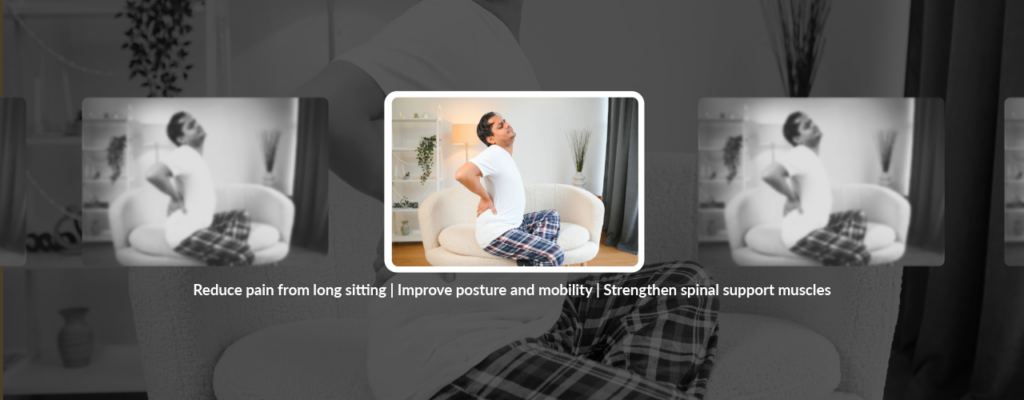
Have you ever felt stiff, sore, or achy after a long day at your desk? Many people experience back pain from sitting, especially with today’s screen-focused routines. Sitting for hours without movement places stress on your spine, tightens muscles, and can set the stage for chronic discomfort. However, Prime Physical Therapy offers comprehensive guidance on how to counteract these effects, starting with helping you better understand why they happen in the first place.
The Hidden Mechanics of Sitting
How Sitting Affects the Spine
While you might sit down to rest, your spine is far from relaxed, especially when you sit for long periods. Here’s what happens:
- The natural curve of the lower back flattens.
- Pressure builds on spinal discs.
- Core and hip muscles weaken due to a lack of engagement.
- Circulation to spinal tissues slows down.
Over time, these mechanical stresses create conditions where pain becomes more frequent and harder to ignore. This is why back pain from sitting can feel worse than discomfort caused by physical activity.
How Sitting Affects the Muscles
Your muscles are designed to move, stretch, and support your body. Prolonged sitting tells them to do the opposite. Common effects include:
- Tightened hip flexors that pull the pelvis forward.
- Weak gluteal muscles that reduce support for the lower spine.
- Strained back muscles that attempt to compensate for poor posture.
These imbalances create a chain reaction that explains why back pain from sitting often lingers even after you stand up and move around.
How Posture Plays a Role
Posture matters more than many people realize. A slouched position increases the stress on spinal joints, while leaning toward a computer screen adds extra load to the upper back and neck. Over months or years, these habits may contribute to both acute flare-ups and chronic back pain.
Physical Therapy: A Path Back to Comfort
A sedentary lifestyle doesn’t just cause temporary discomfort. Remaining inactive can contribute to more serious back conditions, such as disc degeneration, pinched nerves, and mobility loss. The longer a sedentary lifestyle remains a daily pattern without intervention, the harder it becomes to reverse the effects.
That’s why early intervention with Prime Physical Therapy is so important. Our team offers effective solutions for those struggling with pain linked to prolonged sitting. We can help by:
- Assessing posture and identifying muscle imbalances.
- Teaching corrective strategies to restore spinal alignment.
- Guiding gentle, targeted movements that improve strength and mobility.
- Rebuilding endurance in muscles that support the back during daily tasks.
Unlike quick fixes, physical therapy focuses on long-term solutions that address the root cause rather than only easing surface-level discomfort.
Everyday Strategies to Support Your Spine
In addition to physical therapy, small lifestyle changes can help reduce pain. Here’s what we suggest:
- Stand up and move every 30–60 minutes. Set a timer to remind you!
- Adjust your workstation so your screen is at eye level and your feet rest flat on the ground.
- Engage in light activity, such as walking or stretching, throughout the day.
- Strengthen your core muscles with safe, guided routines from a professional.
These habits, combined with structured care, make it possible to break the cycle of pain and restore confidence in your mobility.
Reclaiming Your Back Health
Back pain from sitting is a common but preventable issue. By understanding how sitting affects your spine and taking proactive steps with professional guidance, you can move toward lasting relief. Physical therapy offers the tools, strategies, and encouragement to help you overcome the discomfort and regain function.
If sitting is causing your back pain, you don’t have to manage it alone! Contact Prime Physical Therapy to explore personalized care that supports your recovery and helps you move comfortably again.